
If you or your child was injured in a MetroBus or school bus crash, you may be dealing with medical appointments, missed work, or questions about getting back to school. It can be hard to know where a legal claim fits among those immediate concerns. Bus claims can also be more complicated than typical car accident claims because a public agency, school district, or private contractor may operate the vehicle.
The first step is to identify who was responsible for the trip and what caused the injury. Those facts affect which laws apply, how long you have to act, and who holds important evidence. Reporting the crash helps, but a police report does not replace a legal notice, an insurance claim, or a lawsuit.
Why Bus Accident Claims in St. Louis Are Different From Car Accident Claims
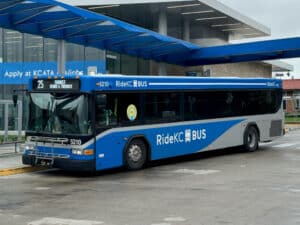
Bi-State Development, Metro, and the Sovereign Immunity QuestionMost car accident claims involve private drivers and their insurers. A St. Louis bus crash may involve Bi-State Development, a school district, a transportation contractor, another motorist, or several of these parties. The bus’s name or logo may show who provided the service but not who employed the driver, owned the vehicle, or maintained it. The location matters too. Different rules may govern a crash in Missouri than one across the river in Illinois. Even within Missouri, legal questions can change depending on whether the injury resulted from the driver’s actions, a bus problem, or an alleged street defect.
Bi-State Development, Metro, and the Sovereign Immunity Question
Bi-State Development, an interstate public agency, operates MetroBus, MetroLink, and Metro Call-A-Ride. Missouri law generally protects public entities from being sued in the same way as private people or companies. This protection is called sovereign immunity.
However, under RSMo § 537.600, sovereign immunity may be waived when claims for injuries are directly resulting from a public employee’s negligent operation of a motor vehicle within the course of employment.
For example, if a MetroBus driver runs a red light while driving a scheduled route and causes a crash, Metro’s status as a public entity does not necessarily prevent an injured person from pursuing a claim. https://revisor.mo.gov/main/OneSection.aspx?section=537.600
Public Entity vs. Private Defendant: Why the Distinction Changes Everything
School buses have a similar problem with identifying who is responsible. A school district might own and run a bus, or a private company might supply the bus and driver through a contract. Another driver might have caused or helped cause the accident. The name on the bus helps start the investigation but might not show everyone responsible.
For example, if a bus and a delivery van collide near Grand Boulevard, investigators may need to examine both drivers’ actions. Vehicle ownership, employment records, contracts, and insurance information can show which people or organizations should be included in a claim.
School Bus Claims: What Makes Them Different
When a child is hurt on a school bus, parents understandably focus first on medical care and whether the child feels ready to ride again. The investigation should also establish who operated the route, who employed the driver, whether another vehicle was involved, and what safety procedures applied to that child’s trip.
Parents can help preserve information without repeatedly asking a child to recount a frightening event. Keep medical and school nurse records, attendance information, photographs, and messages exchanged with the school. Note restrictions on schoolwork, activities, or everyday routines as they arise. A passenger list, seating chart, and onboard video may also help establish where the child was and what happened.
Public School Districts vs. Private Schools — Different Rules Apply
A public school district may have legal protections that a private school or transportation company does not. When a district hires a private company, it must evaluate each separately.
In 2025, Saint Louis Public Schools (SLPS) agreed to a three-year, $30 million deal with Zūm to run district bus routes. After a crash involving a Zūm bus, the contract could help determine who hired and supervised the driver, took care of the vehicle, provided safety gear, and set rules for transporting students. If the driver ran a red light, the investigation would review the driver’s actions and each group’s responsibilities before deciding whether a claim can be made against Zūm, SLPS, or both.
A child’s individual needs can add another layer. Imagine a child who uses a wheelchair gets hurt when the chair moves during a sudden stop on a Zūm bus. The child’s transportation plan might need special safety equipment or a bus helper. Investigators would have to check that plan, look at the equipment, and see if the rules were followed. They would also check who trained the driver and helper, who checked and fixed the equipment, and if any problems caused the injury. Responsibility would depend on what those records and crash details show.
https://spectrumlocalnews.com/mo/st-louis/news/2025/08/10/slps-new-buses
Claims involving children may also require extra steps at settlement. Under Missouri § 507.184, a settlement made on a minor’s behalf generally does not become effective until a court approves it, except as a statutory exception allows. An agreement with an insurer may therefore be one step in resolving the claim, not the last.
When a 90-Day Notice Rule May Apply
A short notice deadline may apply after a bus crash, but Missouri does not require written notice within 90 days for every MetroBus or school bus injury claim. The deadline depends on who may be responsible and how the injury occurred. An attorney can review those questions promptly and help preserve video and other evidence before it is lost.
Under Mo. Rev. Stat. § 82.210, an injured person must give written notice to the mayor within 90 days for certain claims against a qualifying city involving a defective street, sidewalk, bridge, or thoroughfare. If a street defect contributed to the crash, the rule may apply to a claim against the city. It does not automatically apply to a separate claim against the bus operator.
https://revisor.mo.gov/main/OneSection.aspx?section=82.210&bid=3879
Reporting the crash, requesting preservation of evidence, giving required legal notice, and filing a lawsuit are separate steps. A public entity’s review or settlement discussions do not automatically extend the deadline to file suit.
After a crash is reported, a public entity or its claims administrator may review records, request information, deny responsibility, or discuss settlement. None of those actions establishes the deadline for your claim. Even when the 90-day rule does not apply, an attorney may promptly notify Metro, a school district, or a transportation contractor of the claim and ask it to preserve video and other records. That request should identify the crash, the bus or route if known, and the evidence to be saved. Sending it does not replace a required legal notice or a lawsuit.
The Damage Cap — and Why It Makes Identifying Every Defendant Critical
Missouri law can limit recovery from certain public entities. That makes it particularly important in a serious injury case to investigate whether a private driver, bus company, contractor, or other party also contributed to the harm. Identifying another party does not bypass the need to prove fault; each claim must be supported by evidence.§ 537.610 limits the amount payable by a public entity. The state adjusts those amounts annually. According to the Missouri Register, the limits effective January 1, 2026, are $532,148 for one person and $3,547,658 for all claims arising from one accident or occurrence. The applicable limit in a particular case requires review of the claim and timing.
https://www.sos.mo.gov/CMSImages/AdRules/moreg/2026/v51n3Feb2/v51n3.pdf?
The occurrence limit is important when many passengers are hurt in one crash. Medical bills and other losses can be high, but a public agency covered by insurance may be legally limited in how much it has to pay. A private party not connected to the public agency does not automatically have this protection.
Depending on the evidence, other potentially responsible parties could include another driver, a private transportation company, a maintenance contractor, or a vehicle or parts manufacturer. The purpose of investigating each is to understand what that party did and whether it contributed to the injury.
The Damage Cap — and Why It Makes Identifying Every Defendant Critical
A bus crash can produce evidence that does not appear in the police report. Interior and exterior cameras may show the driver’s actions, traffic conditions, and passenger movement. Vehicle data, dispatch communications, driver reports, and maintenance records can help explain what happened before and after the crash. Many modern buses have cameras inside and outside. That footage may capture the driver’s actions, traffic around the bus, passenger movement, or moments before and after a collision. One source warns that transit camera footage may be overwritten within days if not preserved.
One pattern we see in bus accident cases is that the first account does not always tell the full story. In a St. Louis bus case, evidence may be divided among several parties. Metro/Bi-State may have onboard video and dispatch records, while a school district or private contractor may hold incident reports, driver files, and maintenance records.
For example, a driver may report only a “sudden stop,” while interior video shows how sharply the bus braked and how a passenger was thrown from a seat or wheelchair. Vehicle data, dispatch messages, and exterior video may reveal whether the bus driver reacted late or another motorist caused the emergency.
Because video and electronic records may be overwritten, a preservation letter should be sent promptly to each potential evidence holder. The letter asks that relevant material be kept rather than deleted, altered, or discarded. It should identify the crash, bus, and trip as specifically as possible and request onboard video, vehicle data, dispatch communications, driver reports, inspection and maintenance records, photographs, and other relevant evidence.
A preservation letter is separate from a required legal notice, insurance claim, or lawsuit. Sending one does not complete those steps, but it can help protect evidence while an attorney identifies the responsible parties and applicable deadlines.
East Side Riders: What Changes If the Crash Happened in Illinois
Where the collision happened can affect the law even if the rider boarded in Missouri or lives in St. Louis. In Hubble v. Bi-State Development Agency, the Illinois Supreme Court applied a one-year lawsuit deadline to an Illinois collision claim against Bi-State brought by a driver in another vehicle. The court noted the claimant was not a bus passenger, whose common-carrier claim could raise a different issue.
An Illinois crash should be reviewed promptly based on who was injured, how the injury occurred, and who the claim is against. Missouri deadlines should not be assumed to apply across the river.
Talk to a St. Louis Bus Accident Attorney Today
When dealing with a MetroBus or school bus accident claim, it is important to determine who may be responsible and which laws apply to each defendant. Early legal intervention can help protect your rights and improve your chances of compensation. The choice of a lawyer is important and should not be made without careful consideration.
Our legal team is here to help you learn more about your legal options and evaluate the strength of your accident claim. We care about our community and have dedicated our practice to helping injury victims recover justice, accountability, and compensation.
Get started today with your free case evaluation by visiting Brown & Crouppen online or by calling us at (314) 501-9510. Our St. Louis and Kansas City personal injury lawyers have helped clients recover over $1 billion in settlements and verdicts. And remember, there are no upfront costs or legal fees – we only get paid if you win.