
Home  Practice Areas Catastrophic Injury Lawyers Washington Brain Injury Lawyers
Washington, MO Brain Injury Lawyers
This page has been written, edited, and reviewed by a team of legal writers following our comprehensive editorial guidelines. This page was approved by Founding Partner, Terry Crouppen who has more than 45 years of legal experience as a personal injury attorney. Our last modified date shows when this page was last reviewed.
This page has been written, edited, and reviewed by a team of legal writers following our comprehensive editorial guidelines. This page was approved by Founding Partner, Terry Crouppen who has more than 45 years of legal experience as a personal injury attorney. Our last modified date shows when this page was last reviewed.
- Last Modified:
- July 25, 2026
A blow to the head on Highway 100 or a fall at a job site in Washington, Missouri can change your daily life within seconds. When the medical bills and missed paychecks start to add up, our Washington brain injury lawyers can build your personal injury claim to recover compensation.
The biggest risk after a head injury is moving too soon on a settlement before doctors fully measure the damage. A check that looks fair this month can fall short once the cost of long-term care, therapy, and lost wages becomes clear.
That uncertainty can put real pressure on you and your family, especially when bills are already coming in, and insurance adjusters want answers. Let Brown & Crouppen, P.C. carry that weight while you rest and heal. Call (314) 526-3381 or use our online form for a free case review.
Why Choose Brown & Crouppen, P.C. for Your Washington, MO Brain Injury Claim
Brown & Crouppen, P.C. has practiced injury law since 1979, recovered more than a billion dollars for clients, and worked through over 1,000 trials. Our track record matters when an insurance carrier weighs how serious you are about a fair outcome.
A Local Team
Our lawyers handle cases that begin on roads Washington families use every day, including Jefferson Street, Fifth Street, and the Route 47 Missouri River Bridge. Those local details matter because the location of a crash can shape the investigation and the available evidence.
No Upfront Costs
You pay no attorney fee unless we recover money for you. It’s that simple. Our contingency fee agreement keeps quality legal help open to families who already face hospital bills and lost income.
Decades of Trial Experience
Insurance carriers track which firms try cases and which only push for quick settlements. Our trial history sends a clear message during settlement negotiations: we won’t accept less for our clients.
Call (314) 526-3381 today or fill out our online contact form to speak with a member of our team.
SettlementCITY OF ST. LOUIS WOMAN AWARDED $1.16M AFTER CITY TRUCK CRASH
SettlementTRAUMATIC BRAIN INJURY SETTLEMENT REACHED AFTER BOILER FALL
How Do I Know if I Have a Valid Brain Injury Claim in Washington?
A valid brain injury claim in Washington can arise from any head trauma that another party caused through careless or reckless conduct. This includes concussions, post-concussion syndrome, skull fractures, and more severe events like diffuse axonal injury or bleeding inside the skull.
Many people walk away from a crash on Highway 100 or a fall at work feeling shaken but not bleeding. Hours or days later, the headaches, dizziness, light sensitivity, or trouble focusing begin.
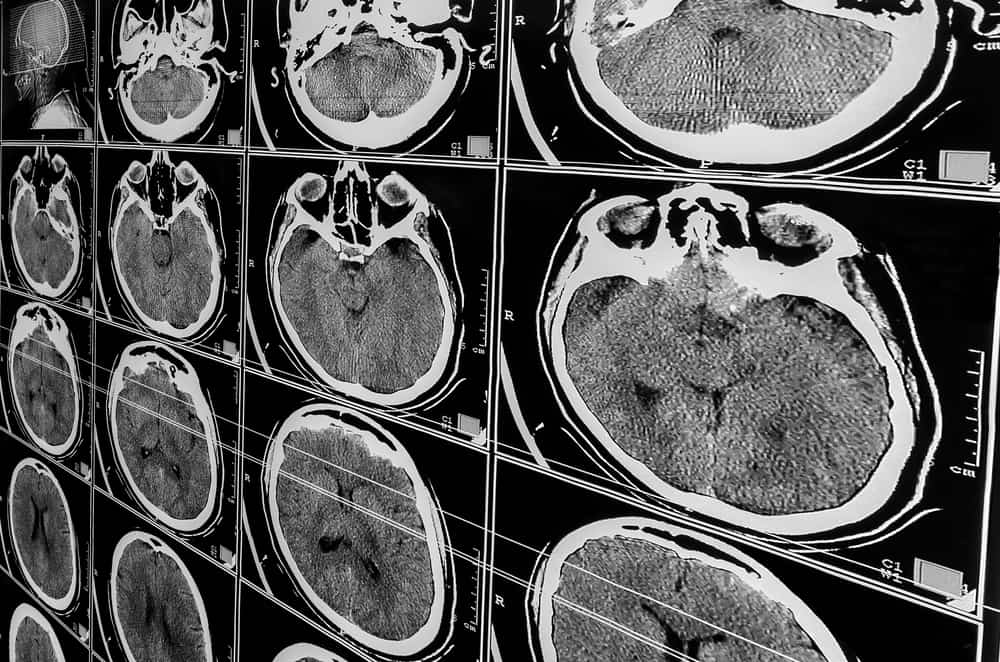
Doctors at Mercy Hospital Washington often run a CT scan and use the Glasgow Coma Scale to grade how severe the injury looks at first contact. But a scan that comes back clear doesn’t mean that your brain is fine.
Mild traumatic brain injuries (TBIs) often show up on a neuropsychological evaluation weeks later, when memory tests and reaction-time tests pick up changes that a CT scan cannot catch.
Common situations that may support a Washington brain injury claim include:
- Auto Accidents: A rear-end collision on Highway 47 or a side-impact crash near the Highway 100 interchange can whip the brain inside the skull, even at lower speeds.
- Falls at Work or in Public: A slip on a wet floor at a Washington store or a fall from a ladder at a Franklin County warehouse can cause a closed head injury without any visible cut.
- Pedestrian and Bike Accidents: Even a slow-moving driver who fails to yield at a crosswalk downtown can knock a walker or rider directly to the pavement.
- Construction Site Incidents: A falling tool, an unsecured load, or a fall from scaffolding on a job site can cause severe head trauma, which may lead to a personal injury claim on top of workers’ comp.
- Recreational Injuries: A boating crash on the Missouri River can lead to a concussion that needs follow-up care.
If a driver, property owner, employer, or other party acted carelessly and your brain felt the result, you may have a valid claim. During your free consultation, our team reviews the facts and explains what the evidence shows.
How Do Washington, Missouri TBI Lawyers Prove Negligence?
You prove negligence by showing that someone had a duty to act with reasonable care, failed to do so, caused your brain injury, and left you with real losses. Each part needs proof that can withstand insurance company pushback, especially when the injury affects your memory, mood, focus, or ability to work.
In Washington, that duty can look different depending on where and how the injury happened. A driver on Jefferson Street must pay attention and follow traffic laws. A property owner near the Washington Riverfront must keep floors, walkways, and public areas reasonably safe.
When someone ignores those responsibilities, their conduct may support a brain injury claim.
Evidence that may help prove a Washington brain injury claim includes:
- Police and Incident Reports: A Washington Police Department crash report or Franklin County Sheriff’s Office report may identify the at-fault driver, describe what happened, and note early signs of injury.
- Medical Records: Emergency room notes, imaging results, follow-up records, and doctor observations can show when symptoms appeared and how they changed over time.
- Witness Statements: A coworker, passenger, or bystander who saw a crash on Stafford Street can describe what happened in clear, practical terms.
- Photos and Video: Phone photos, dashcam footage, nearby business surveillance, or scene photos can preserve details about road conditions, property hazards, vehicle damage, or the force of impact.
- Medical Opinions: A neurologist, neuropsychologist, or treating doctor can explain how the accident caused or worsened the brain injury and why the symptoms matter.
Missouri follows a pure comparative fault rule, which means you may still recover compensation even if you share some responsibility for the accident. Under this rule, your compensation can be reduced by your percentage of fault.
Can More Than One Insurance Policy Apply to Your Brain Injury Claim?
More than one insurance policy can apply to a brain injury claim, and finding every source of coverage can change the amount of your compensation. Many people only think about the at-fault driver’s auto insurance, but other policies may also help cover medical bills, lost income, and long-term care.
The available coverage depends on how your injury happened. A delivery driver who hit your car may have personal auto insurance, while their employer may carry a commercial policy. A property owner whose icy walkway near downtown caused your fall may have general liability coverage.
A defective seatbelt, helmet, or vehicle part may also create a claim against the company that made or sold the product. Your own insurance may matter too. Uninsured/Underinsured Motorist (UM/UIM) coverage can help when the at-fault driver has little or no insurance.
Our Washington TBI attorneys review every possible policy, send a policy limits demand when the facts support it, and push back when an insurance company tries to deny coverage without a fair review.
FREE CASE EVALUATION
What Compensation Can You Recover After a Brain Injury in Washington, MO?
You may be able to recover money for both your financial losses and personal damages tied to your brain injury. Economic damages cover bills you can count, while non-economic damages cover the human cost of the injury on your daily life.
Brain injuries often need years of follow-up care. Speech therapy, physical therapy, cognitive therapy, and home modifications add up fast, and a strong claim accounts for these future costs through a life care plan.
Common categories of compensation include:
- Past and Future Medical Costs: Hospital stays, rehab, prescriptions, and ongoing therapy all count. A life care plan from a qualified expert can outline what your medical care will look like over the next 5, 10, or 30 years.
- Lost Wages and Earnings: Missed paychecks while you heal fall under lost wages. A reduced ability to do your old work, or any work, falls under lost earning capacity.
- Pain and Suffering: Headaches, sleep changes, mood shifts, and the daily strain of a brain injury all factor into this category.
- Loss of Consortium: A spouse may have a separate claim for the loss of companionship, support, and shared daily life that the injury took away.
- Out-of-Pocket Costs: Mileage to medical visits, paid help around the house, and adaptive equipment may all be included in your claim.
The value of any single claim depends on the medical evidence, the impact on your life, the available insurance, and the strength of the proof. Our team builds the file with these factors in mind from the first meeting.

5 Steps To Take To Protect Your Washington TBI Claim
After a TBI in Washington, your first step is to get medical care, and your second step is to protect your claim by holding off on statements and signatures until you speak with a lawyer. The early days set the tone for everything that follows.
Steady follow-up care matters as much as the first ER visit. A neurologist tracks your progress, a neuropsychologist tests memory and focus, and a primary care doctor watches for new symptoms. These records build a clear story for the claim.
Protect your claim by:
- Follow Every Medical Order: Keep appointments and follow through on all medical advice. Take the rest, the medication, and the therapy your doctors prescribe.
- Keep a Symptom Journal: Write down headaches, sleep trouble, mood changes, and missed work as they happen. Daily notes carry a lot of weight during negotiations.
- Save Every Document: Keep crash reports, work absence notes, pay stubs, and bills in one folder. Photos of cuts, bruises, and damaged property also help.
- Stay Off Social Media: Even a short post can give an insurance carrier the angle it needs to minimize your compensation. Set accounts to private and stay quiet about the injury.
- Call a Lawyer: Contact our Washington brain injury lawyers before you give a statement or sign a release.
The Missouri statute of limitations sets a strict deadline to file a brain injury lawsuit, and missing it can shut the door for good. Acting early gives your lawyer time to gather evidence while it is still fresh.

Get started with a free consultation with one of our skilled Personal Injury Lawyers today.
FAQ for Washington Brain Injury Lawyers
Contact our Washington brain injury lawyers as soon as you’re medically stable, ideally within days of the accident. Early contact lets your lawyer collect evidence, review video, and speak with witnesses while details remain fresh.
The sooner you start working with Brown & Crouppen, P.C., the more likely you’ll avoid early mistakes with the insurance carrier.
You can still hire Brown & Crouppen, P.C. with no upfront cost through our contingency fee agreement. Our firm covers the case expenses along the way, and you pay an attorney fee only if we recover money for you.
A clear CT scan doesn’t end your case, since many traumatic brain injuries appear on follow-up testing rather than on early imaging. A neuropsychological evaluation, an MRI, and ongoing notes from your doctors can document changes in memory, focus, and mood that support a strong claim.
Don’t give a recorded statement to the insurance adjuster before speaking with an attorney, since early statements often shape how the carrier values your claim. Having a short conversation with Brown & Crouppen, P.C. before you sign or say anything helps protect your right to a fair recovery.
You may still file a claim if some time has passed, as long as you act before the Missouri statute of limitations runs out. The exact deadline depends on the type of accident and the parties involved, so connect with our team for a clear answer based on the facts of your accident.
Take the Next Step With Brown & Crouppen, P.C.
A brain injury changes the routine of daily life, but the legal system doesn’t have to add more stress on top of everything else. Let our Washington brain injury lawyers handle the calls, the paperwork, and the pushback from insurance carriers so you can focus on healing.
Call Brown & Crouppen, P.C. at (314) 526-3381 or fill out our online contact form to start your free case review today.
FREE CASE EVALUATION
Our Results
TESTIMONIALS


- Last Modified:
- July 25, 2026
SCHEDULE A FREE CONSULTATION
