
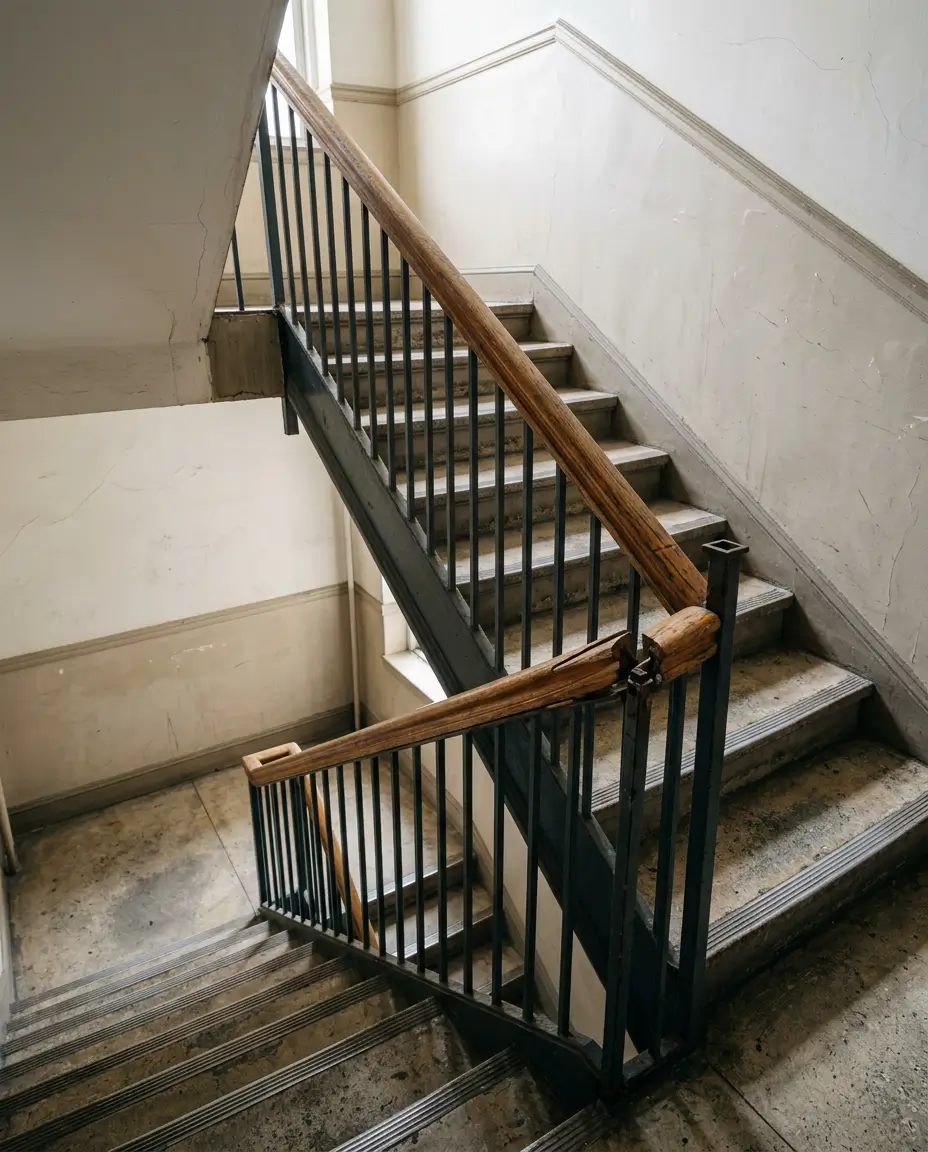
A rotted step gives way in an apartment stairwell, and your dad lands hard at the bottom. Within days, your family is juggling hospital visits, missed shifts, and calls from an insurance adjuster. Nobody has told you who was supposed to fix that stair.
A broken stair is not a claim. A broken stair someone knew about, and could have fixed, might be. Not every injury caused by unsafe building conditions becomes a premises liability claim, and the dividing line is evidence: what connects the hazard to someone’s legal responsibility? Repair requests, maintenance records, and photos often answer it, and they are often the first things to disappear. At Brown & Crouppen, we prepare every case as if it will go to trial, starting with preserving that evidence. Request a free consultation with our premises liability lawyers to review what happened and what comes next.
When Unsafe Building Conditions Create Liability
A fall on a cracked stair hurts the same whether or not anyone is legally at fault. The law asks a narrower question: who had a duty to fix the problem, and did they fail? That question sits at the center of premises liability for unsafe building conditions.
A Dangerous Condition Is Not the Same as Negligence
A claim generally needs three things. Someone owed the injured person reasonable care. They failed to provide it. That failure caused real harm. A broken stair, a loose railing, or a roof leak that keeps pooling water in a hallway can all be dangerous. The condition alone does not prove negligence. What matters is how long the hazard existed, who knew about it, and what they did or didn’t do to fix it.
The Name on the Door Doesn't Settle Who Is Responsible
Responsibility follows control, not signage. Who maintained the stairwell? Who was paid to fix the lights or clear the ice? In an apartment building, the landlord often handles common areas, while a tenant may control the inside of a unit. A property manager, cleaning company, or repair contractor might share fault too. Our page on suing a landlord in Missouri explains how repair agreements can shift that picture. A store sign tells you who runs the business, not who owns or maintains the building.
Missouri and Kansas Don't Treat Every Case the Same
Missouri still sorts visitors into groups like invitees, licensees, and trespassers, and each group gets a different level of protection. Kansas courts dropped the invitee and licensee split years ago and apply a general reasonable-care standard to lawful visitors. Fault rules differ as well. Missouri reduces compensation by the injured person’s share of blame. In Kansas, a person found 50 percent or more at fault recovers nothing. Narrow laws matter too, like Missouri’s recreational land rule. That’s why Brown & Crouppen studies the location, control, and facts before naming anyone in a premises liability claim.
Evidence of a Dangerous Building Condition
Good evidence of a dangerous building condition shows that someone knew, or should have known, about the hazard before the fall. Lawyers call the first kind “actual knowledge,” and it comes from warnings like maintenance requests, tenant complaints, inspection reports, and earlier incidents. A dated complaint about the same loose railing does more than a general claim that the building was poorly kept. “Constructive knowledge” means a careful owner should have spotted it, and footage, cleaning logs, witnesses, or old rust can show how long it sat.
Proving the owner knew is only half the job. The evidence also has to tie that specific defect to the injury. Scene photos, medical records, and analysis from qualified experts can show how a wobbling rail or worn step caused a broken hip. A building-code violation can point the investigation in the right direction, but it does not automatically prove the owner is liable. Brown & Crouppen weighs it alongside causation and the notice rules for that claim and state, the way a jury would.
What Families Should Do After a Building Injury
When someone you love gets hurt on a broken stair or a slick hallway, you often become the one taking the calls and sorting the paperwork. What to do after an unsafe building injury is simple: skip the private investigation and take a few safe steps that keep the facts from slipping away.
Medical Care Comes Before Evidence
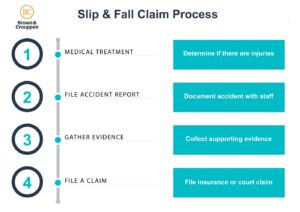
Get treatment first, every time. Never put off care to gather proof. If it’s safe and practical, a family member can photograph the exact spot from a distance, such as the cracked step or the loose rail. Write down names and phone numbers of anyone who saw what happened. Report the incident to the manager or owner using plain facts, and ask for a copy of the incident report. Do not walk into a dangerous stairwell or flooded area for a better picture. Our slip and fall page explains more about documenting a scene.
Keep One Folder for the Unsafe Building Injury
Put medical bills, discharge papers, receipts, missed-work records, and texts or emails about the incident in one place. A shoebox or a folder on your phone works fine. You do not need a complete file before asking for help. If the property owner’s insurance adjuster calls, stick to what you know. Don’t guess about who caused the fall, and don’t sign a release until someone explains what rights you would be giving up.
Ask a Lawyer About Footage and Records Early
Many camera systems record over old video on a set cycle, and maintenance logs can be lost or changed. That’s why it pays to act promptly. Our guide on slip and fall claims explains why. A lawyer can send a preservation letter asking the owner to keep footage, repair requests, and cleaning logs. Brown & Crouppen identifies which records to request, handles the insurance calls, and explains each next stage. Your family can focus on healing instead of chasing paperwork.

Unsafe Building Injury and Wrongful Death FAQs
When an unsafe building takes a life or leaves someone badly hurt, the family member handling the paperwork often ends up with the hardest questions. Unsafe building injury and wrongful death claims follow state rules about who can file, what losses count, and how long a family has to act. Missouri and Kansas handle those rules differently, and the short answers below point out where.
Can a family bring a wrongful death claim after a fatal fall in an unsafe building?
Yes, if the evidence shows the same things an injury claim needs: a duty, a failure to meet it, and a link to the death. The difference is that the claim belongs to the family, not the person who was hurt. Brown & Crouppen’s wrongful death lawyers review the building evidence and the family’s losses together.
Who may file a wrongful death claim in Missouri or Kansas?
In Missouri, a spouse, child, or parent has the first right to file. Siblings come next only if none of those relatives are living, under RSMo Section 537.080. Missouri also allows only one wrongful death case against each defendant. In Kansas, any heir at law who suffered a loss may start the case, and other heirs may join it, under K.S.A. 60-1902.
What compensation can these claims seek?
An injury claim may cover medical bills, lost income, and pain and suffering. A Missouri wrongful death claim may include funeral costs, lost financial support, and the loss of a loved one’s companionship and guidance, under RSMo Section 537.090. Our article on how damages are calculated explains how families document each loss.
How long does a family have to file?
The deadline depends on the state, the type of claim, and who owned or ran the building. Missouri sets separate clocks for injury claims and wrongful death claims, and Kansas deadlines can be shorter. Claims against a city, county, or public housing authority may require written notice much sooner. Talk with a lawyer early, because a missed deadline can end the case.
Get Help With a Premises Liability Claim
You do not need a complete file before you call. Bring the building address, the incident date, whatever records you have, and every question still on your mind. Missing paperwork will not stop the first conversation.
Our attorneys in St. Louis, Kansas City, and across the Midwest review your premises liability claim in plain English and keep you updated as it moves. You pay no attorney fee unless we recover money for you. Your fee agreement spells out how case costs are handled.
When you are ready, call for a free consultation. We will look at who controlled the building, what evidence exists, and what needs saving now, and we will tell you honestly where your legal options stand. We cannot promise a result. We can promise that the repair requests, the footage, and the maintenance logs that explain who let that stair rot will not be lost on our watch, and that we will prepare your case from day one as if it is going to trial.